
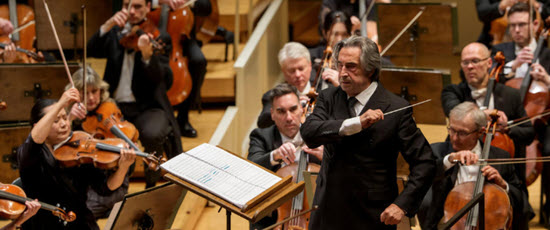
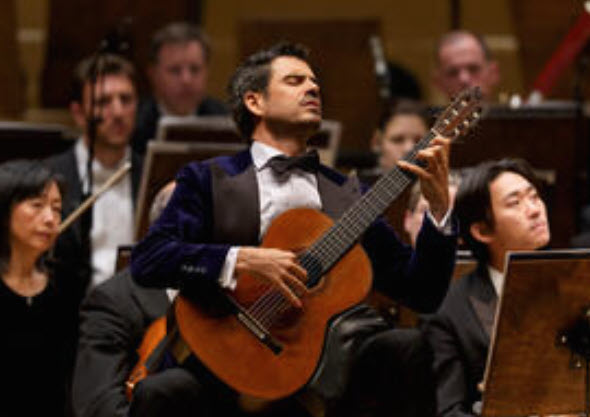
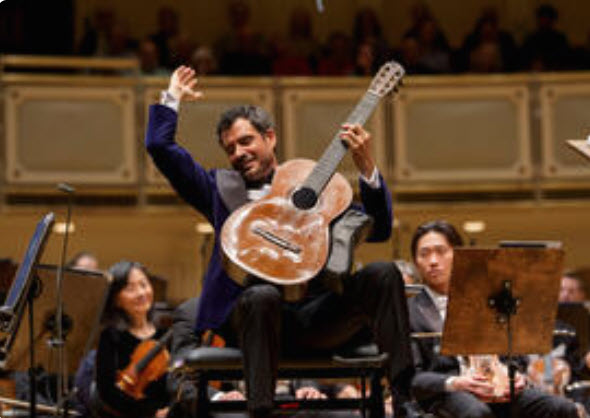
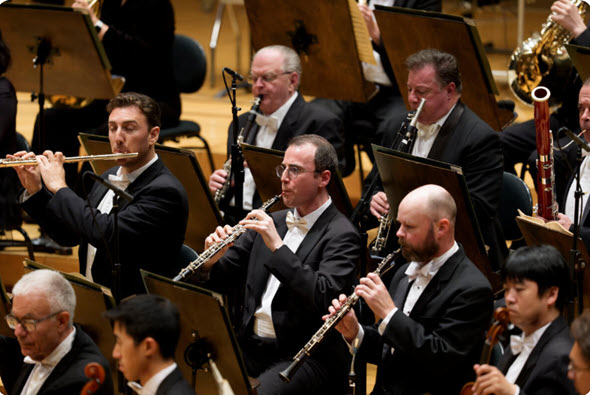
Commentary: A singular linearity has defined Riccardo Muti’s many seasons and concerts with the Chicago Symphony Orchestra: What you expect – the conductor’s distinctive sensibility coupled with a supreme level of musical performance answered by ripping ovations – is what you get. But Muti’s recent two-week stint with the CSO shattered the rule. By turns brilliant and humdrum and just bizarre, these concerts swung from exhilarating highs to curious lows, all of it mirrored in audience responses of familiar acclaim and mere politesse.
Read the full story »‘Six Corners’ at American Blues Theater: Murder at a train stop, seen in shifting lights
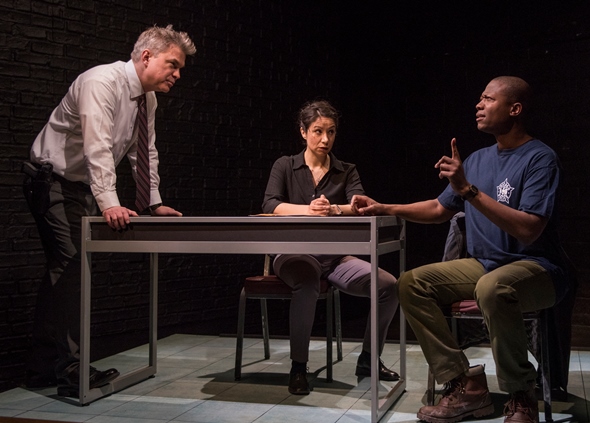
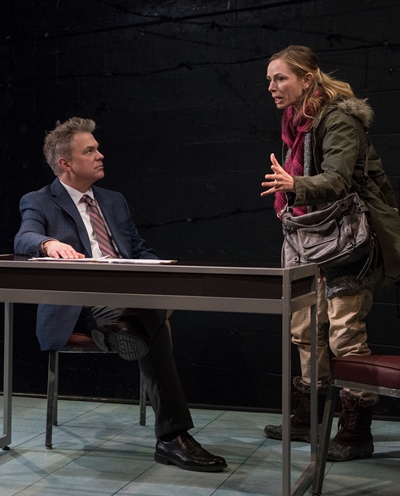
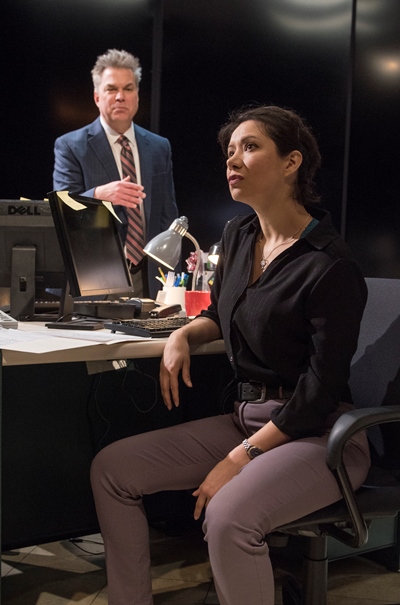
Review: Nick Moroni and Bernadette Perez are married (not to each other) mid-career Chicago cops burning late oil at the precinct shop, bantering, shuffling papers, watching the clock, waiting to check out so they can check into a motel together. This little slice of their lives provides the frame for Keith Huff’s “Six Corners,” a pulp-fiction drama at American Blues Theater that modulates from sad to sadder before it ends in the precincts of nobility. ★★★
Mozart & Haydn tumble through the orchestra in bubbly romp with Muti, Chicago Symphony
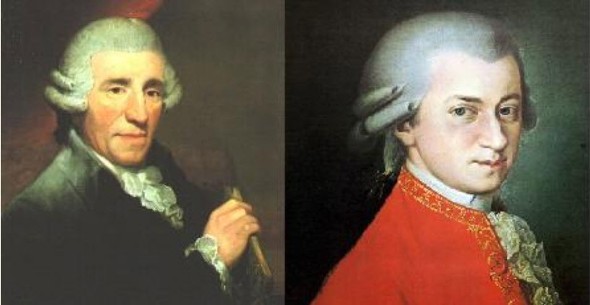
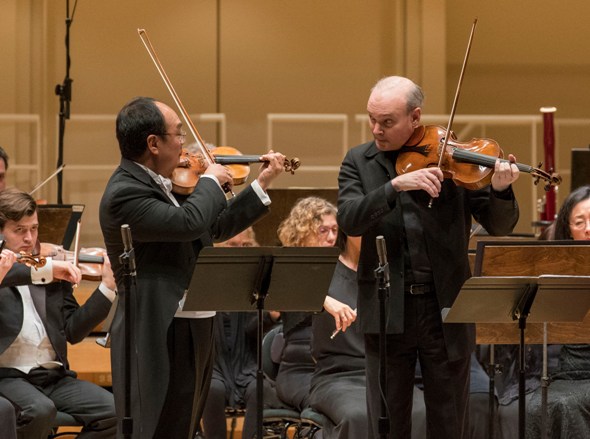

Review: As Wolfgang Amadeus Mozart’s irrepressibly grand 234-year-old “Linz” Symphony swept through the Chicago Symphony from stand to stand, at Orchestra Hall, one might have taken the music for yet another example of the brilliant young composer being inspired by Franz Joseph Haydn, his esteemed elder. But as music director Riccardo Muti and the CSO deftly demonstrated, the 24-year difference in their ages does not imply a one-way flow of influence from elder to younger. The influence worked both ways.
Directorship extended, Muti returns to CSO with Mozart, fresh commitment, higher goals
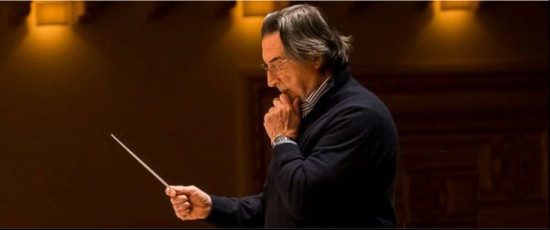
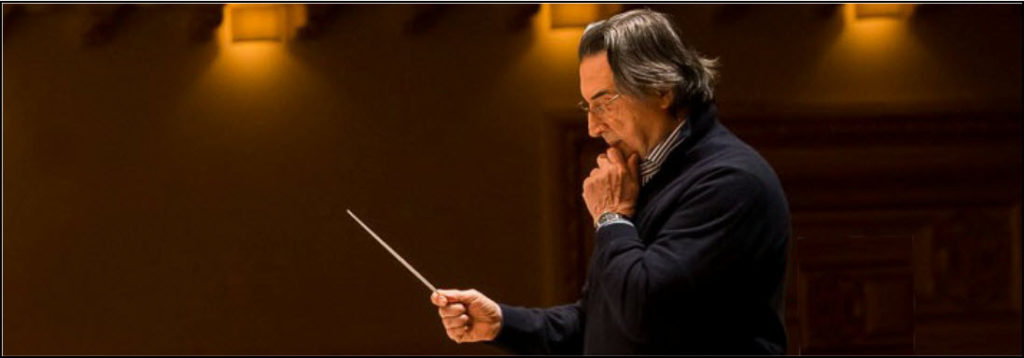
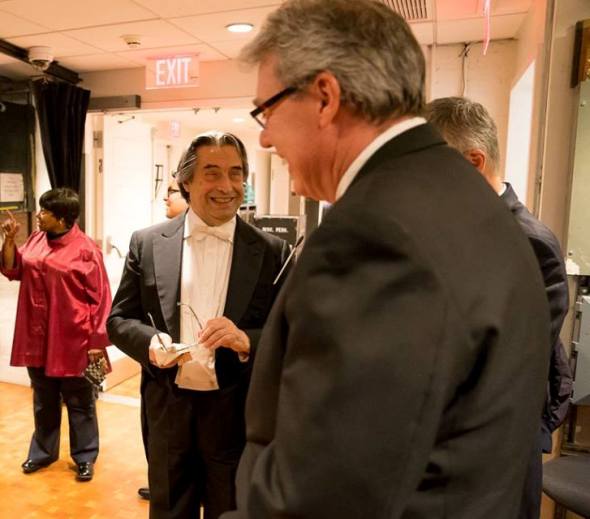

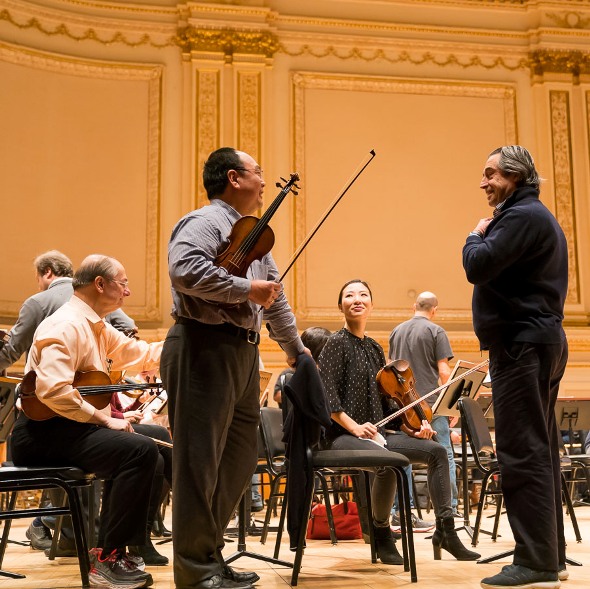

Interview: Italian maestro Riccardo Muti is back in town and eager for another dive into Mozart with the Chicago Symphony Orchestra in Chicago and Wheaton March 15-17. The program, which features Mozart, fits right into the CSO music director’s primary artistic goals. Musing on the significance of a two-year extension that prolongs his responsibility to the orchestra through August 2022, Muti made it clear the job is about more than conducting alone. He pronounced himself ready to take on the work of keeping the 127-year-old orchestra whole, fit, and facing its future.
In Bernstein centennial tribute, Lyric Opera catches the biting edge of ‘Trouble in Tahiti’
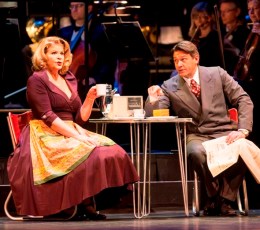
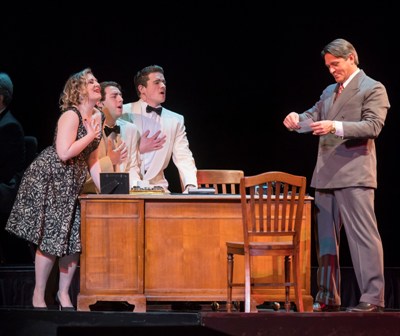
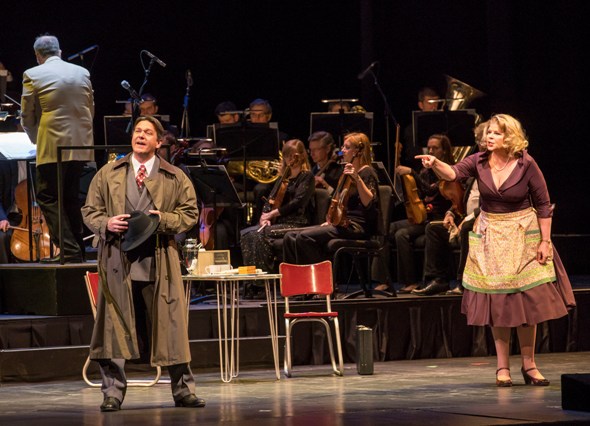
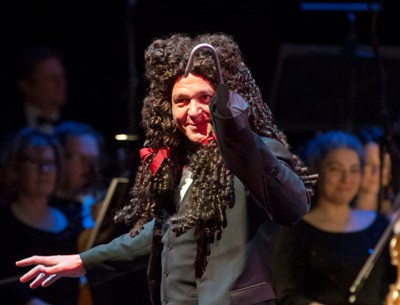
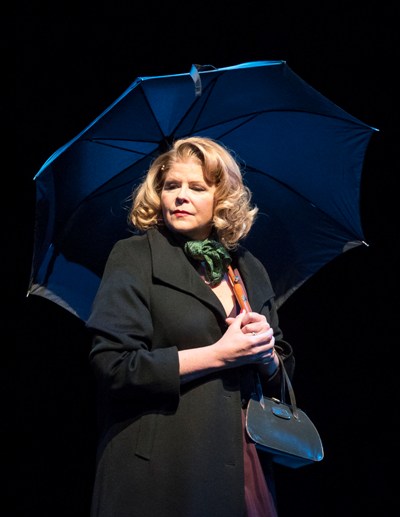
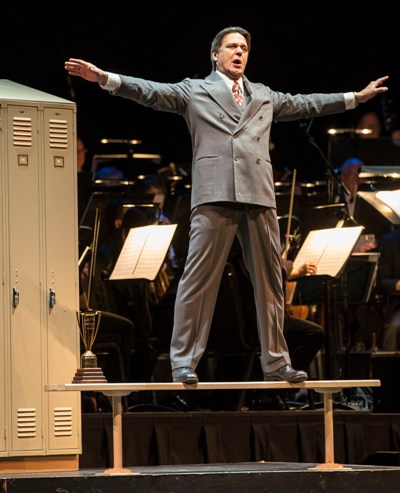
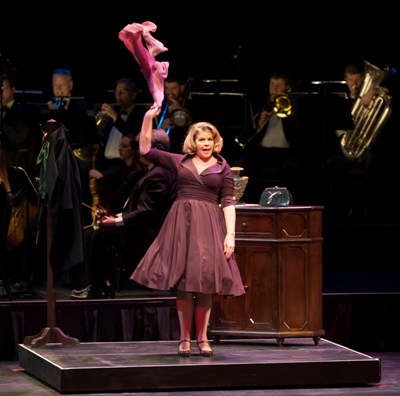


Review: Leonard Bernstein’s “Trouble in Tahiti” may have been prophetic when it first soared into living rooms via black-and-white TV in 1952, but it can hardly have felt convenient. Married couples of the time – the ones creating the babies of the postwar suburban baby boom – might have felt awkwardly alarmed by the troubles of Dinah and Sam, brought to life by mezzo-soprano Susan Graham and baritone Nathan Gunn, two of opera’s finest singing actors at the height of their powers, in a wry comedy of cold clarity but also generosity of spirit.
In belated return to CSO, violinist Kavakos probes dark power of Shostakovich concerto
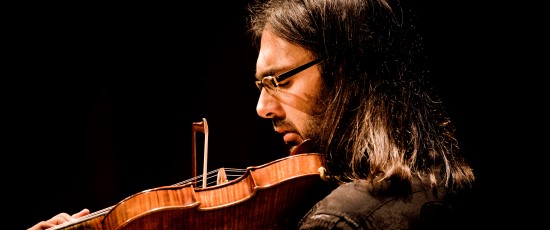


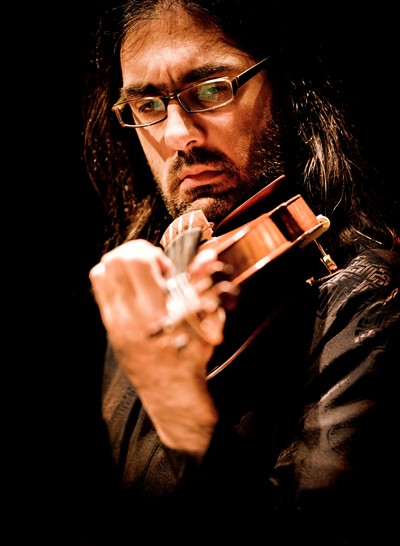
Review: It had been seven seasons since violinist Leonidas Kavakos last appeared with the Chicago Symphony Orchestra, and his spectacular return, as soloist in Shostakovich’s Violin Concerto No. 1 in concerts March 9-11, came as the capstone to a double pleasure extending over two weeks. The Greek violinist, who runs a chamber music festival in his native Athens, had joined with pianist Emanuel Ax and cellist Yo-Yo Ma in a memorable traversal of Brahms’ three piano trios Feb. 25 at Orchestra Hall.
‘Faust’ at Lyric Opera: The vibe is American, accent clearly French, and a stylish devil rules

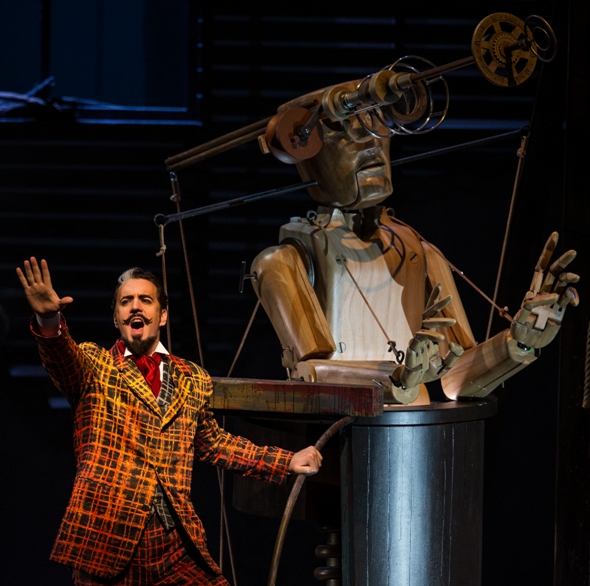
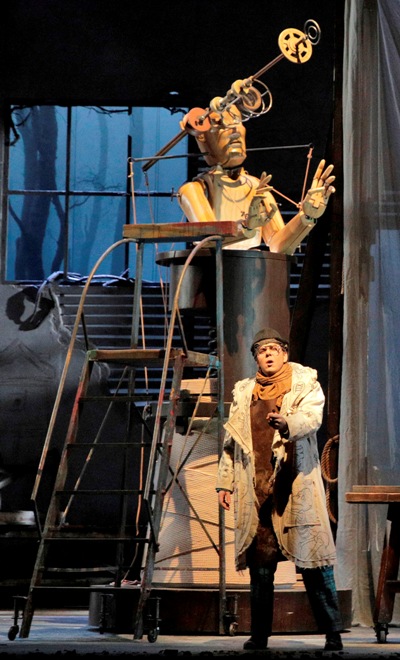
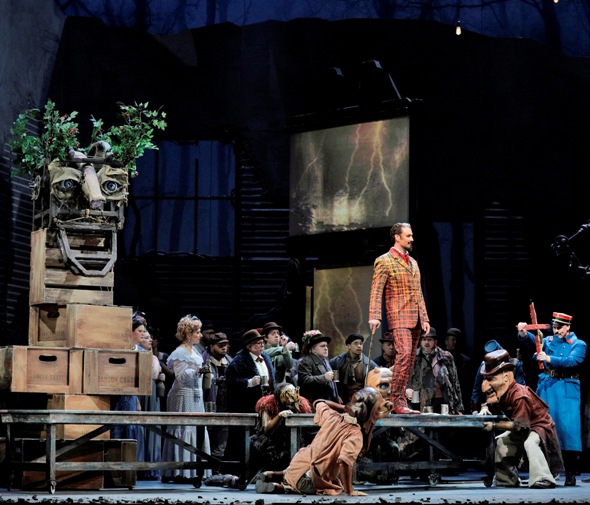
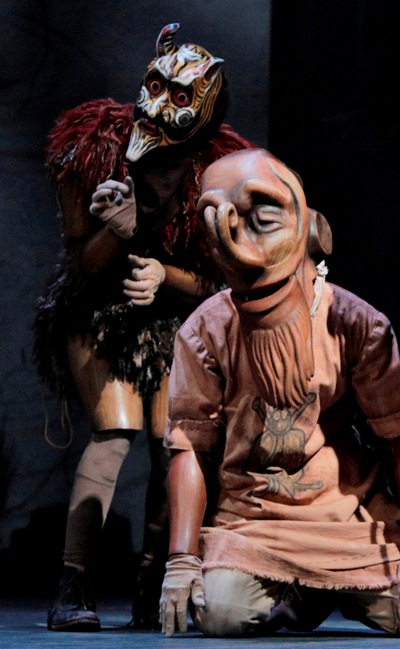
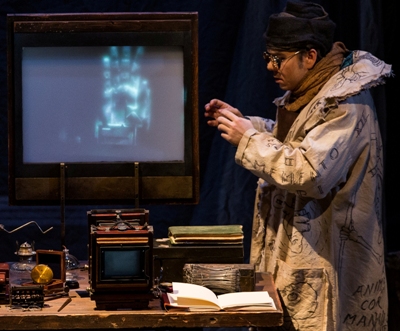
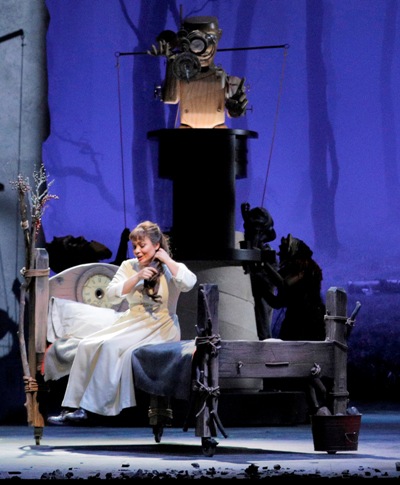

Review: The new “Faust” at the Lyric has a strong visual aesthetic and modern psychological insight, conceived by the visionary California artist John Frame and brought to the stage by a young production team led by director Kevin Newbury and set-costume designer Vita Tzykun. The impressive cast under the baton of French conductor Emmanuel Villaume stars tenor Benjamin Bernheim – in his American debut – as the doomed Faust and bass-baritone Christian Van Horn as Hell’s provocative emissary, bent on his destruction. And although the conductor and the impressive star tenor are French, this “Faust” has a bracing American vibe and cinematic feel. ★★★★
‘Mary Stuart’ at Chicago Shakespeare: Contest of queens for England’s throne is regal theater
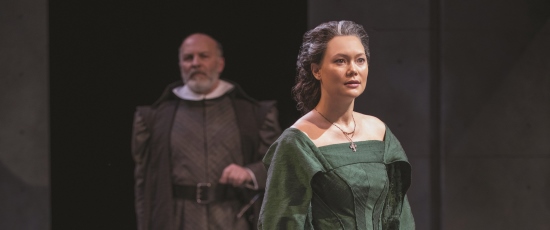
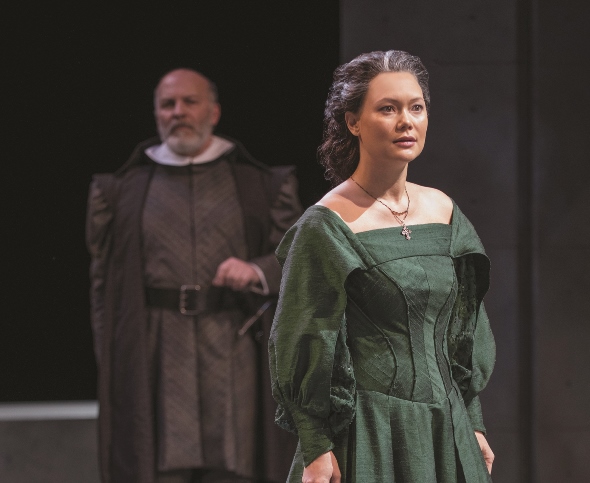
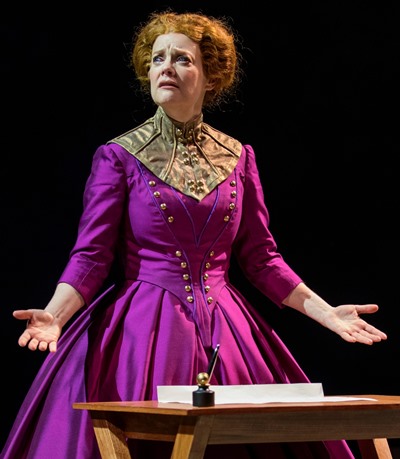
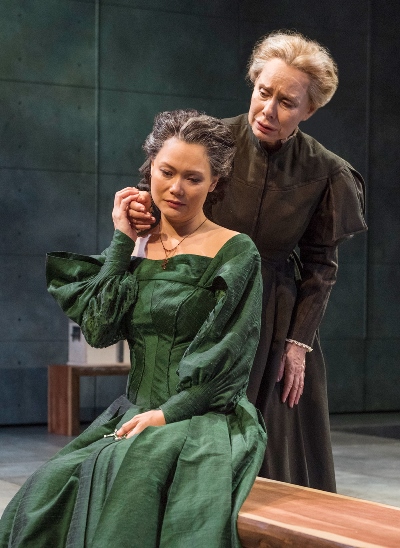
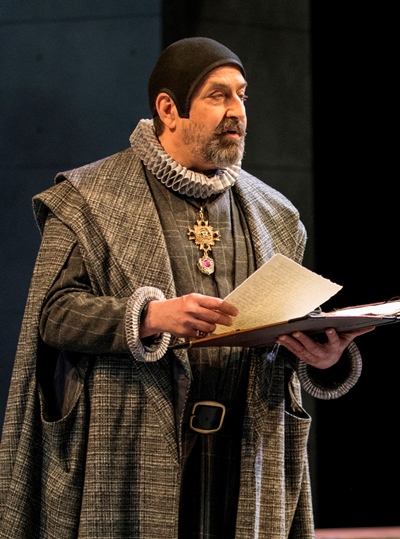
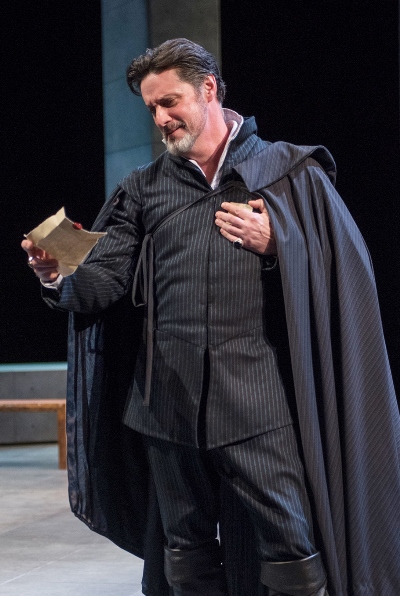
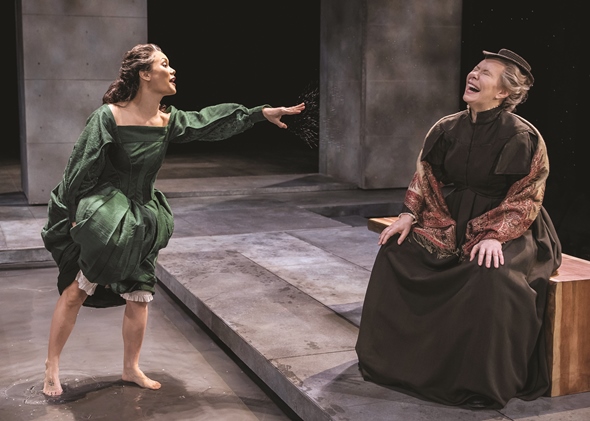
Review: Everything about Friedrich Schiller’s battle-of-the-queens historical drama “Mary Stuart,” staged at Chicago Shakespeare, proclaims compleat theater. From Peter Oswald’s adroit translation of this German-language verse play to Jenn Thompson’s fluent direction and the masterful, knowing work of a large cast, CST’s “Mary Stuart” is a many-splendored triumph. ★★★★★
‘Surely Goodness and Mercy’ at Redtwist: Dodging auntie, teaching teacher, shining light
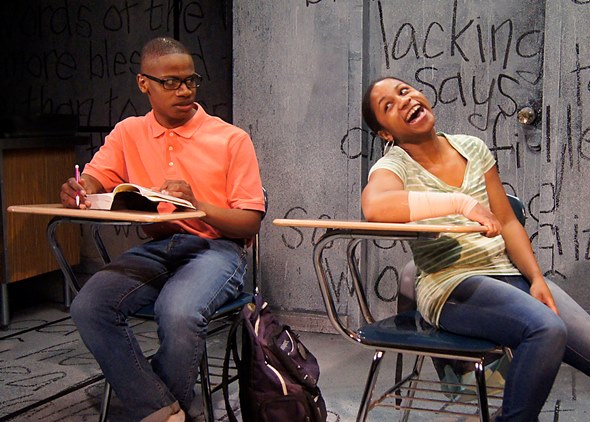
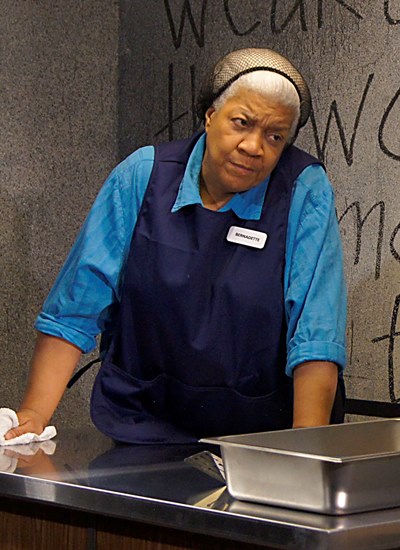
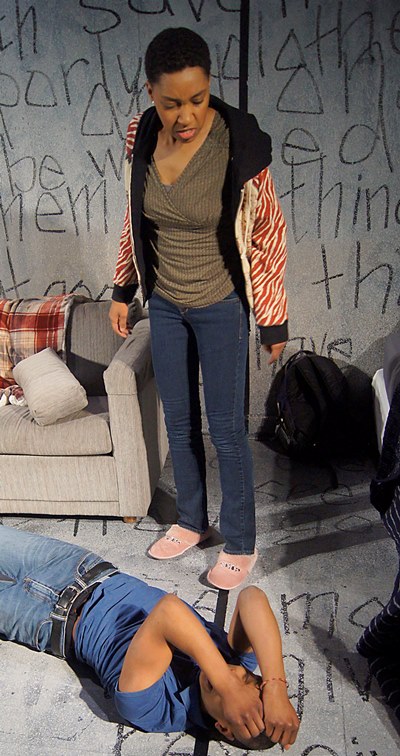

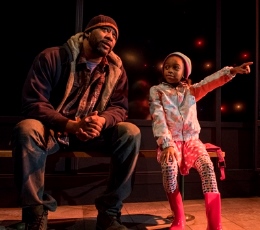
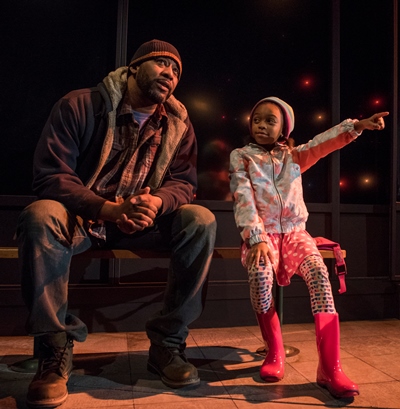
Review: It’s a singular experience to sit through what is essentially a feel-good play, and to reach the end with the sense that you’ve actually seen a genuine drama. Such is the rare form and substance of Chisa Hutchinson’s “Surely Goodness and Mercy,” offered by a splendid cast in the ideal intimacy of Redtwist Theatre. ★★★★
In recital ranging from opera aria to art song, tenor Beczała shows why he’s a Lyric favorite
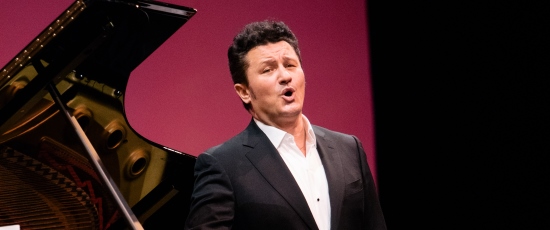
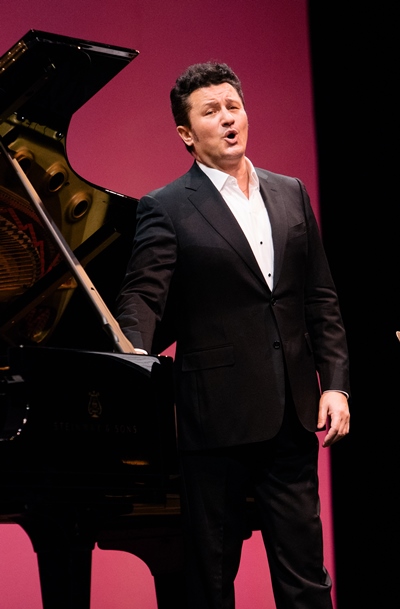

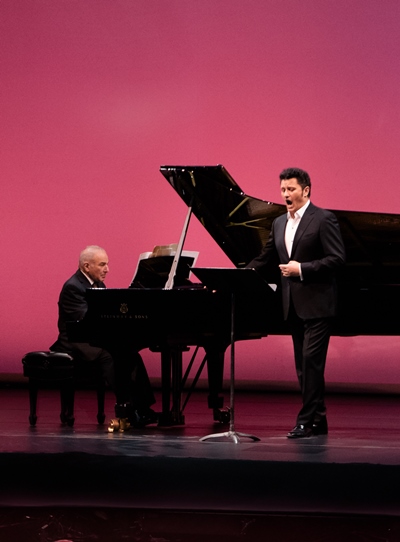
Review: An opportunity to savor the artistry of tenor Piotr Beczała through the intimacy of a song recital paid off in a vibrant vocal display Feb. 25 at the Lyric Opera of Chicago. Lyric audiences have previously relished Beczała’s appearances in the title role of Gounod’s “Faust” and as Edgardo in Donizetti’s “Lucia di Lammermoor” – the latter a performance in which his ravishing vocalism rivaled that of such legendary predecessors in the role as Alfredo Kraus, Placido Domingo and Luciano Pavarotti.
Brahms’ three trios for violin, cello and piano, played in perfect completeness by three stars

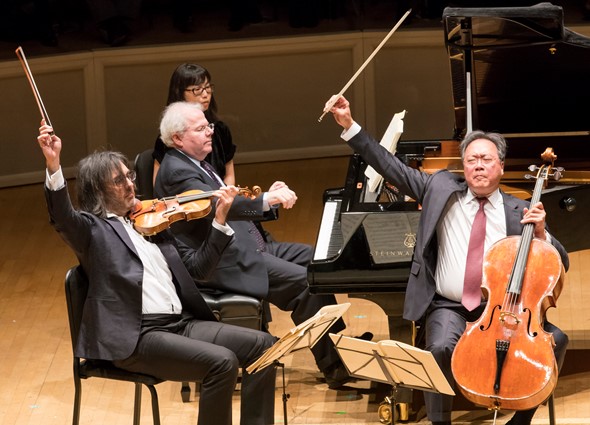
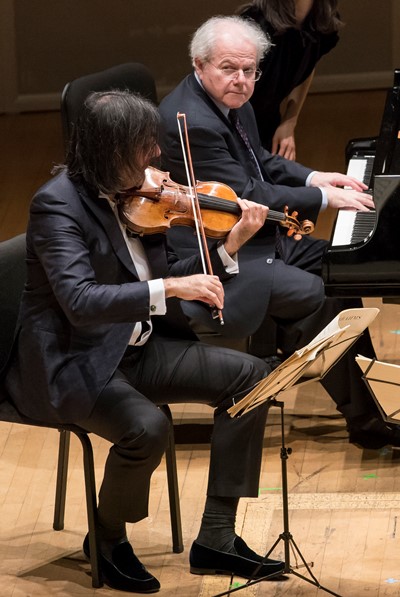
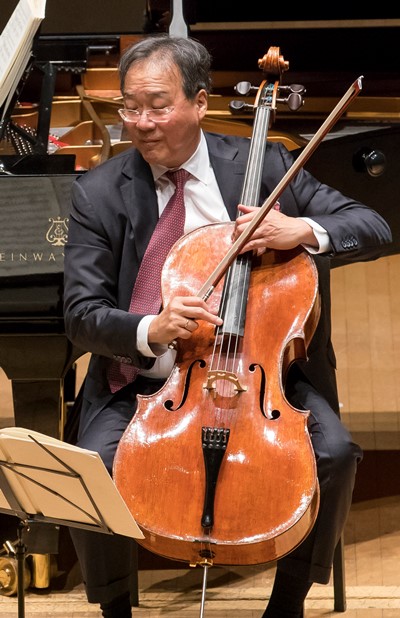
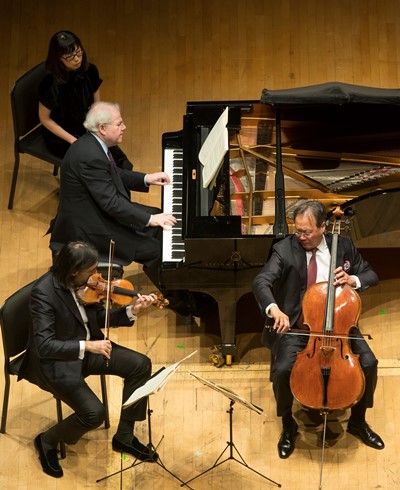
Review: Even if it wasn’t literally a once in a lifetime experience, it was rare enough, and it surely was special: the opportunity to hear all three of Brahms’ piano trios performed in a single concert. Violinist Leonidas Kavakos, cellist Yo-Yo Ma and pianist Emanuel Ax converged on the Brahms trios before an overflow audience at Orchestra Hall that spilled onto stage seating. The event in the Symphony Center Presents series delivered all that one might have wished for, and then some.
‘The Wolves’ at Goodman: Girls soccer team, answering challenges sans Prince Charming





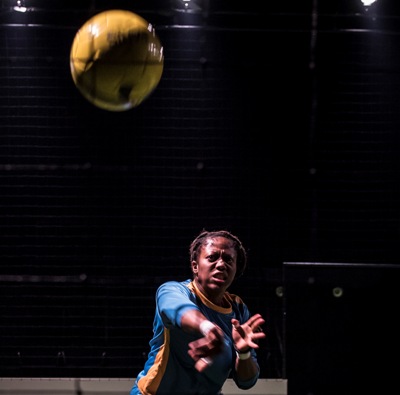

Review: Week after week, the Wolves, a teen girls’ soccer team, coalesces into a fighting force. Meanwhile, that other towering season – adulthood – looms inevitable. Both are transformations thrilling to contemplate. An extraordinary new play by a millennial playwright depicts self-confident girls who intend to romance the world on their own terms. ★★★★
‘A Moon for the Misbegotten’ at Writers: Grasping for some truth beneath a pall of lies
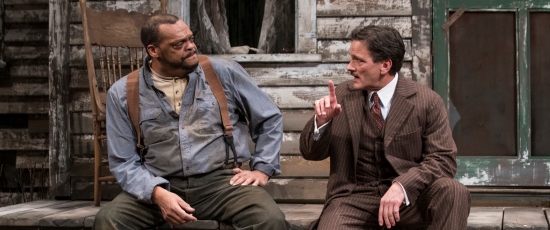
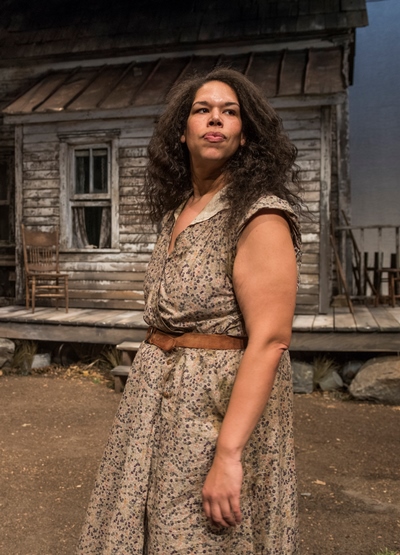
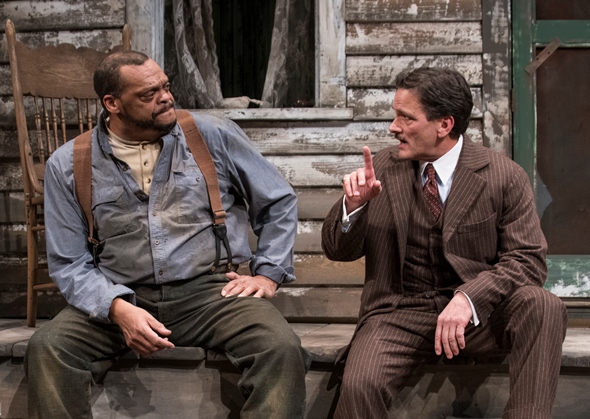
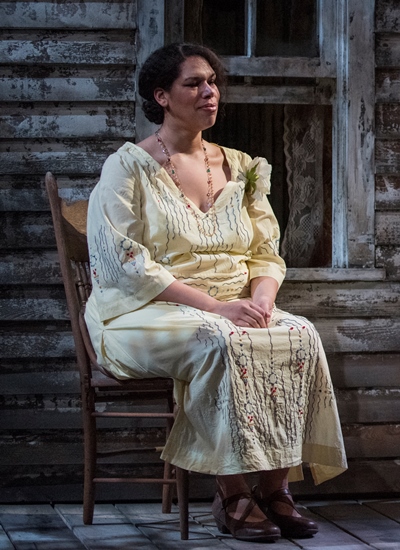
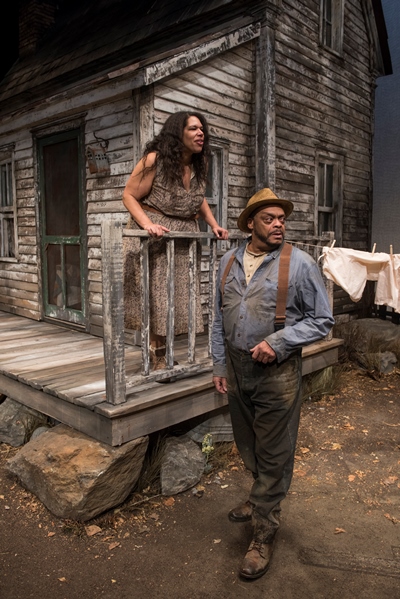
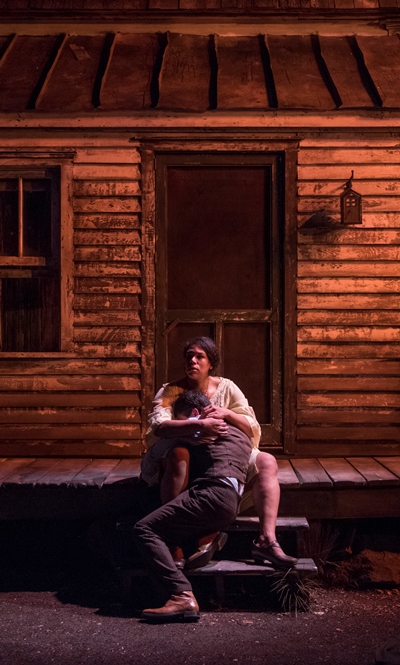
Review: Brawny Phil Hogan and his imposing, hard-as-nails daughter Josie are poor tenant farmers in 1920s Connecticut. James Tyrone Jr., who owns the farm, is a wealthy playboy who’s always had a soft spot for Josie – and for booze and, by loud proclamation, the tarts on Broadway. The daily bread of them all, these desperate occupants of Eugene O’Neill’s “A Moon for the Misbegotten,” is mendacity. They lie to each other and they lie to themselves, until they each find some part of redemption in some measure of truth. Their rough progress toward that grail is a magical thing to witness at Writers Theatre. ★★★★
‘You Got Older’ at Steppenwolf: In a theatrical clinic, Francis Guinan lifts play to higher level
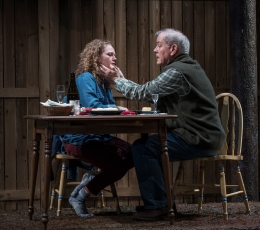

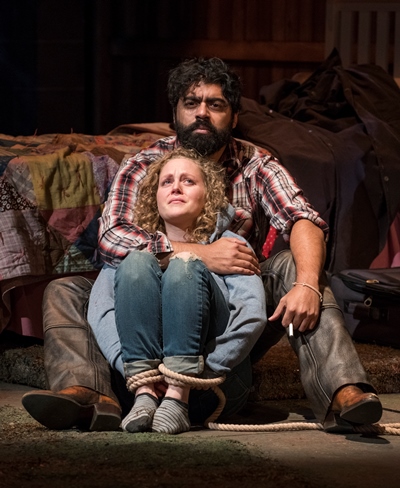
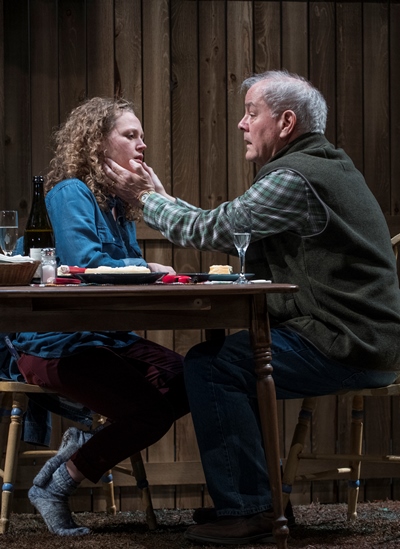
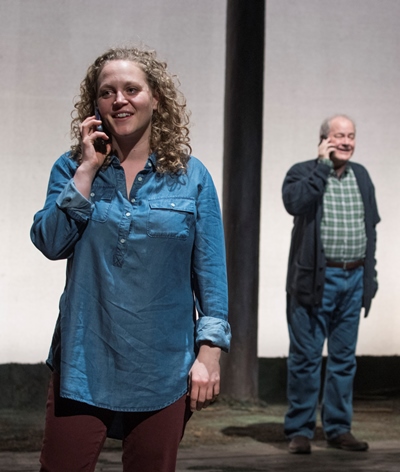
Review: Clare Barron’s shadow-streaked comedy “You Got Older,” about a father’s death and a daughter’s transfiguration, is an oddly – I might even say deceptively – unsatisfying play. The real reward of Steppenwolf Theatre’s staging directed by Jonathan Berry, and the only thing that might draw me back to see it again, is the ever-luminous Francis Guinan’s performance as a loving father fighting a losing battle with cancer. ★★★
‘Hinter’ at Steep: Down on farm, bodies pile up as thriller flips narrative on its head. Go figure.
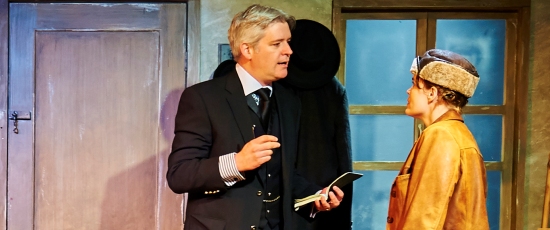


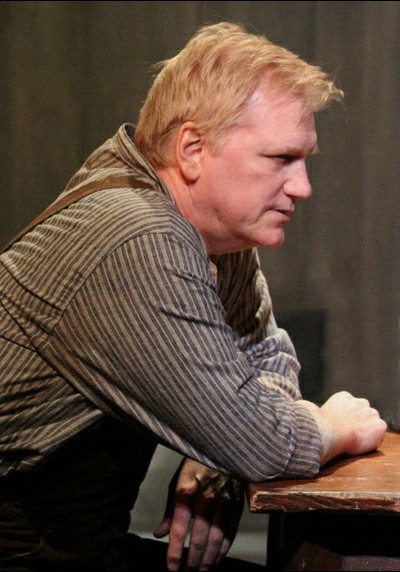
Review: In an imaginative whodunnit, Chicago writer Calamity West proposes the hypothetical solution to an unsolved mass murder from 1922. Bavaria’s counterpart to the Lizzie Borden story (in notoriety if not in detail) involves six people on a farmstead in Munich’s remote outback. All were found hacked to death. ★★★
Mozart’s ‘Cosi fan tutte’ at the Lyric Opera: Amorous faith as farce, staged in high style
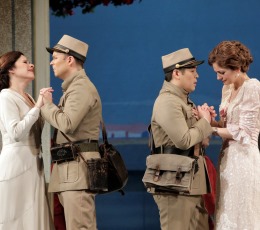

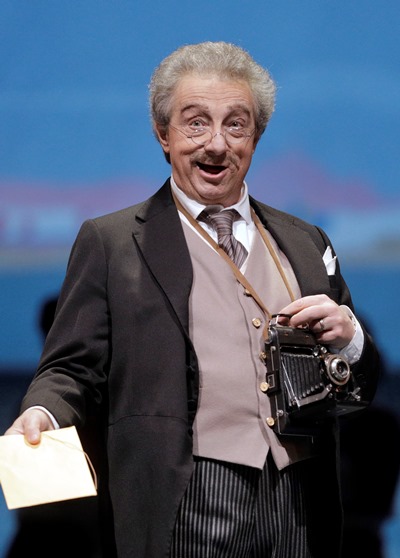
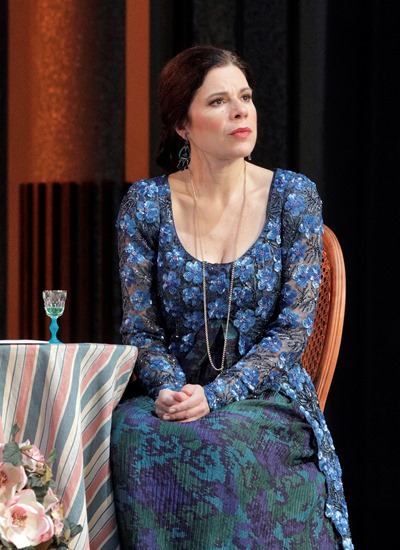

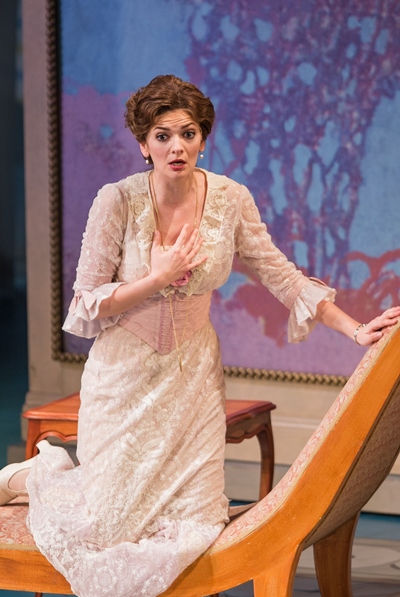
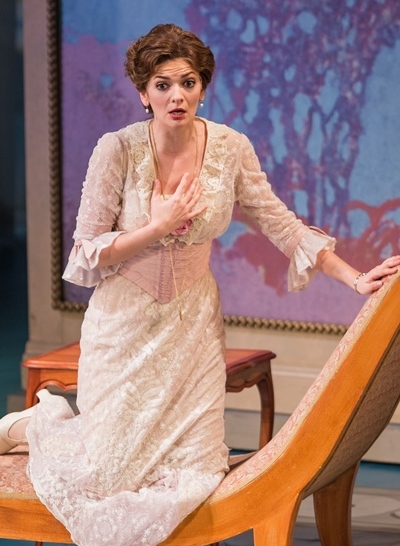
Review: It’s essentially chamber music, Mozart’s splendorous opera “Cosi fan tutte,” and it is a stellar sextet of singers that Lyric Opera of Chicago has assembled in a setting that is itself a picture of elegant intimacy. Despite its gender-specific title, “Cosi fan tutte” – or Women Are Like That – is a double-edged satire of the wobbly ways of love. Never mind that the course of true love never did run smooth; this delicious slice of musical mirth contrived by Mozart and librettist Lorenzo Da Ponte declares that affection is inherently mutable: It is the very oiseau rebelle that Carmen celebrates in Bizet’s opera. ★★★★★
‘Franklinland’ at Jackalope: Ben lords it over his son, who naturally tells him to go fly a kite
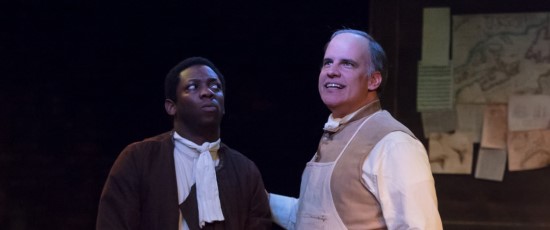
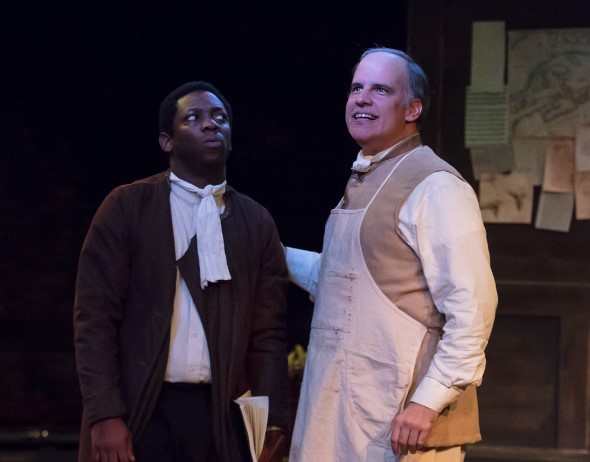
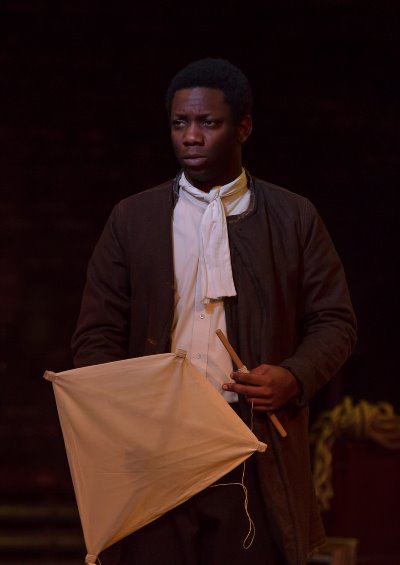

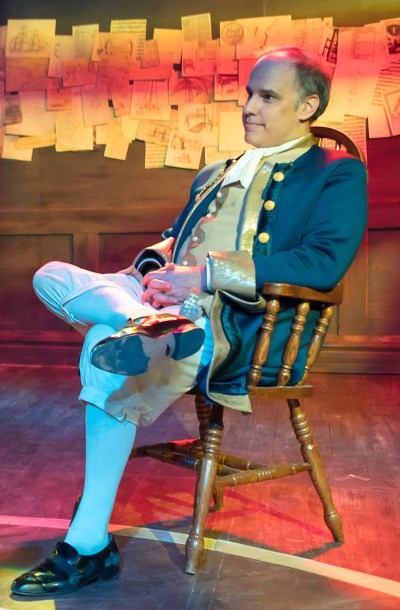
Review: Imagine a delightful afternoon kite-flying with Ben Franklin: You are his young bastard son trying to keep up; he is the irrepressible achiever, inventor, visionary – a narcissist who, when he sees you at all, looks upon you as a project at best and, as he constantly reminds you, a poor copy of his matchless self. That’s the skewed but fascinating relationship played out in Lloyd Suh’s “Franklinland” at Jackalope Theatre. ★★★★
‘Elizabeth Cree’ at Chicago Opera Theater: Bloody mayhem and totally tonally winning
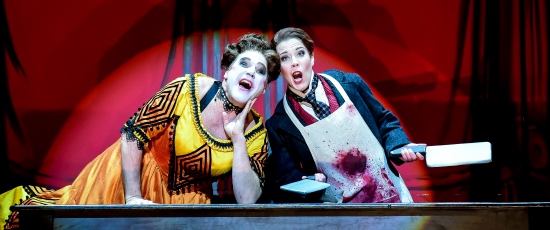
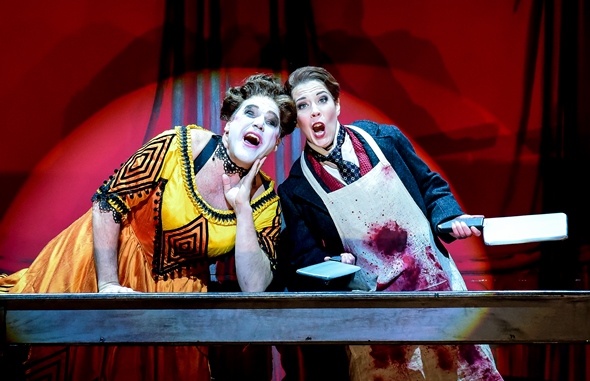
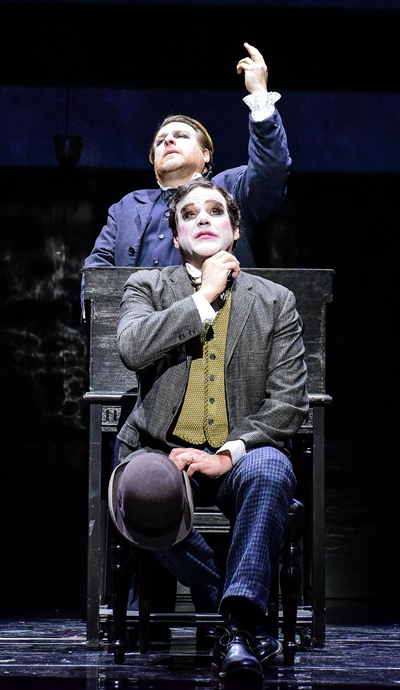
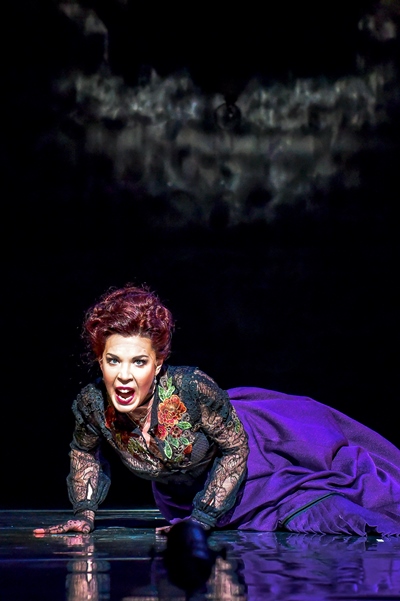
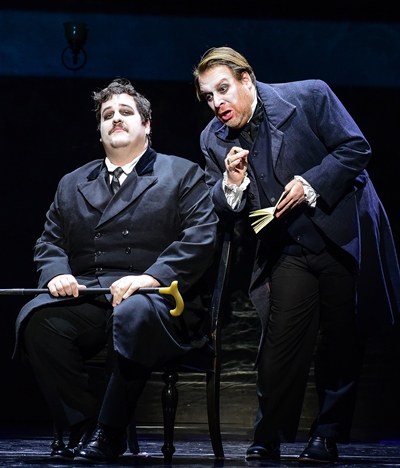
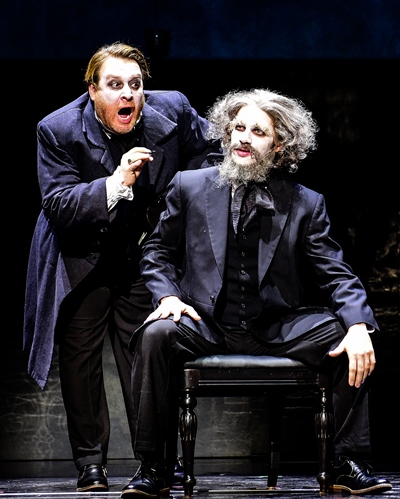
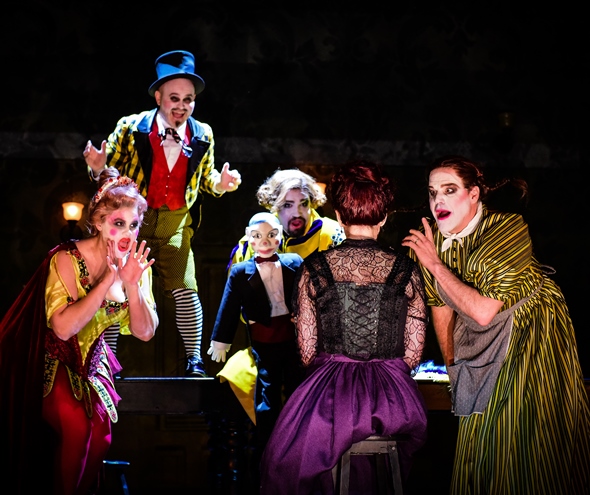
Review: Through the 20th and 21st centuries, composers and librettists have pushed opera in exciting and unexpected directions, proving again the flexibility and richness of this enduring art form. A fresh example is Kevin Puts’ “Elizabeth Cree,” which offers something almost never seen before – a bloody, fast-action operatic thriller with a juicy plot twist. Presented in the ideally sized, 691-seat Studebaker Theater in the Fine Arts Building, “Elizabeth Cree” is one of the most successful offerings from Chicago Opera Theater in recent years. ★★★★
CSO’s concerts at Carnegie Hall were grand, but splendor also was writ small – in encores
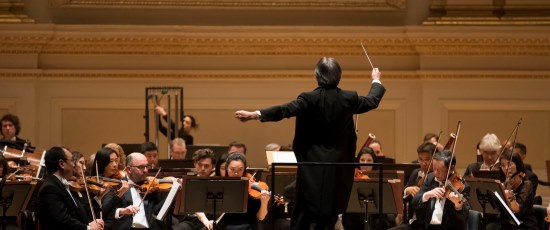
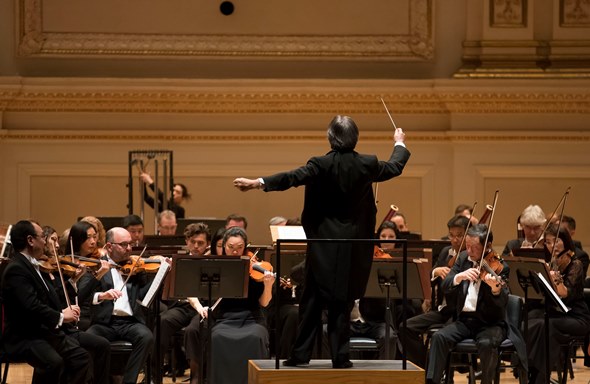
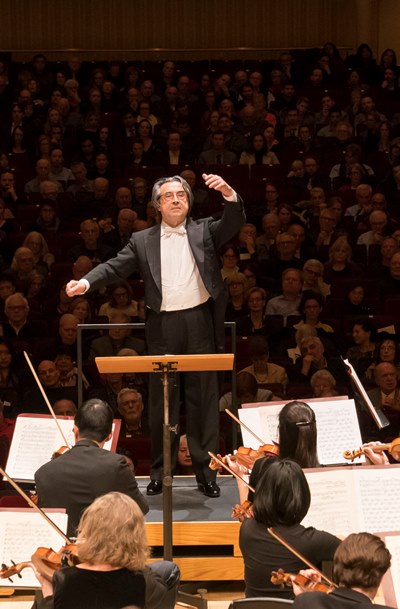
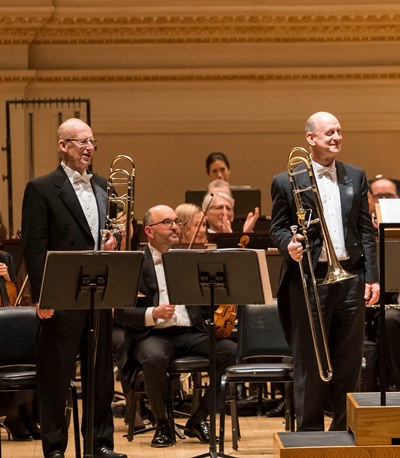
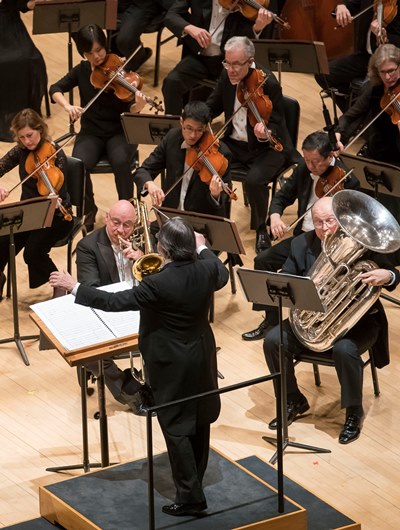
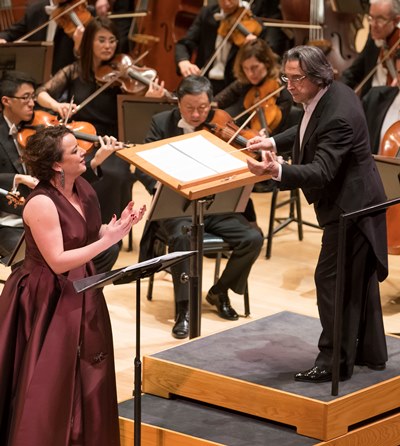
Review: If the two ambitious programs delivered at New York’s Carnegie Hall on Feb. 9 and 10 by the Chicago Symphony Orchestra under the baton of Riccardo Muti roundly summarized the nearly eight seasons of Muti’s directorship, the essence of it – and maybe the key – was articulated in the encores.
Bellini’s ‘I puritani’ at the Lyric Opera: Love, vengeance, madness borne aloft on high C’s
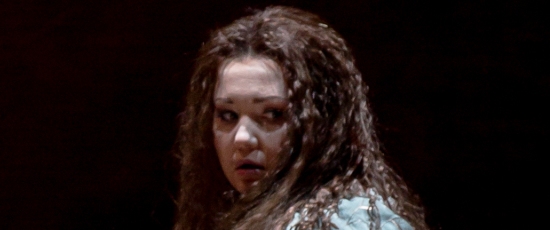
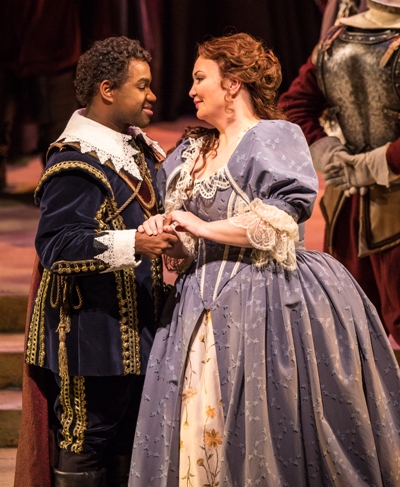
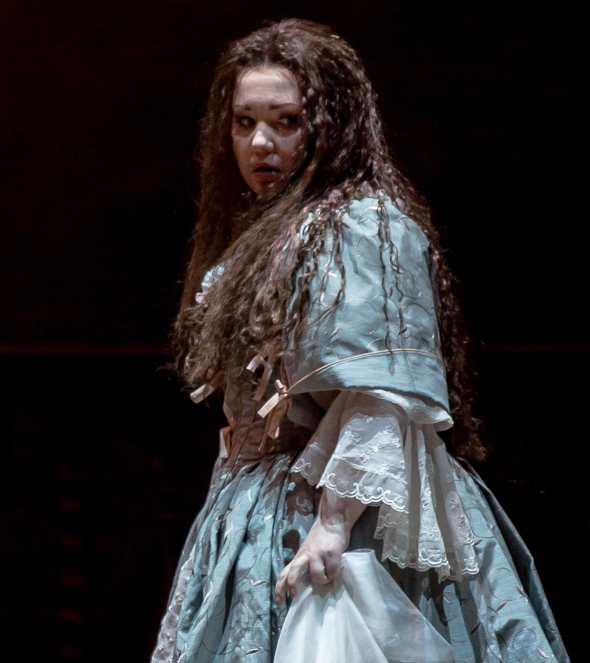
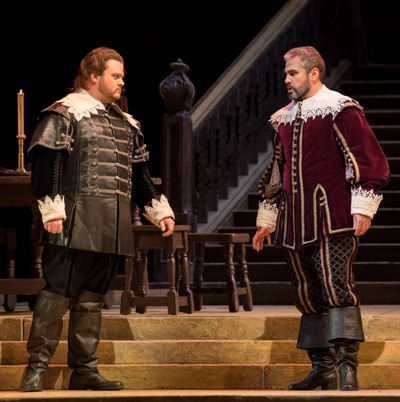
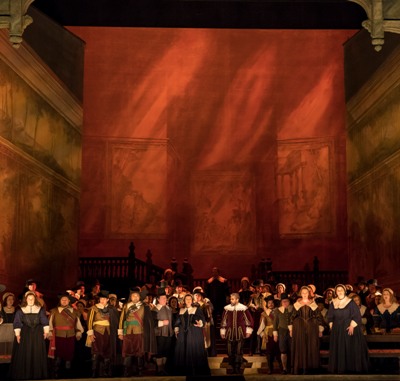
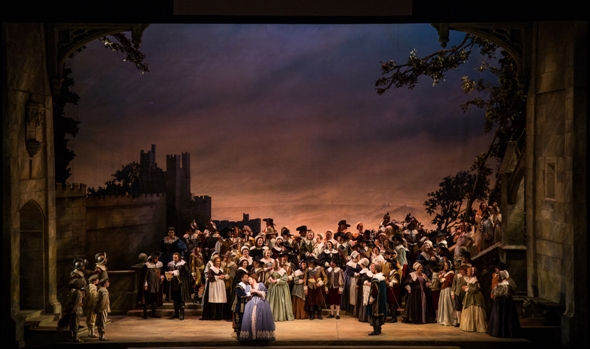
Review: No one doubted that Russian soprano Albina Shagimuratova would be back at the Lyric Opera of Chicago after doing such a superb job of going mad the first time around. In 2016 she portrayed the innocent Scottish lass Lucia, of Lammermoor, forced into an arranged marriage despite her betrothal to someone else. She emerged from the wedding chamber armed with psychotic coloratura, compliments of Donizetti, and a knife dripping in blood. Now she’s back as the Puritan maiden Elvira, who is mentally shattered by her fiancé’s abrupt departure on her wedding day. Cue the coloratura. ★★★
Chicago Symphony opens an East Coast tour with bravura Brahms at the Kennedy Center
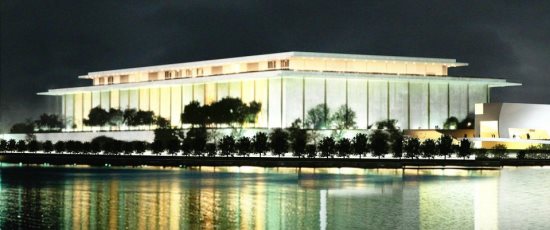


Review: With his familiar wave to a raucous audience signaling that Elvis was leaving the building, conductor Riccardo Muti ended the Chicago Symphony Orchestra’s concert at the Kennedy Center for the Performing Arts in Washington, D.C., on Feb. 7 – without an encore, a rarity on CSO tour concerts. But on this night there was nothing left to say musically. Surely all possible expectations of a well-filled house had been satisfied by a poetic and finely contoured performance of Brahms’ Second Symphony.
Part 3 of Wagner’s ‘Ring,’ and other treasures that glitter in the Lyric Opera’s 2018-19 season
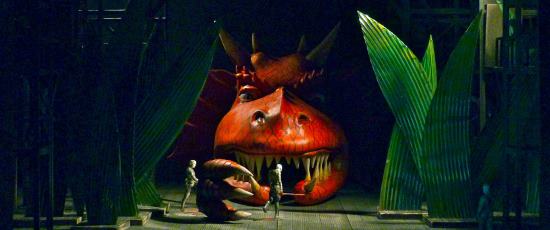
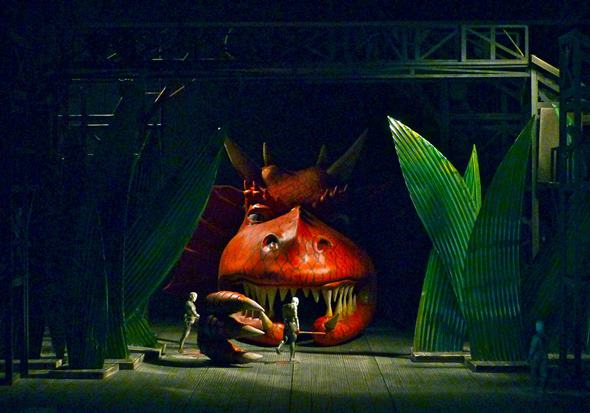
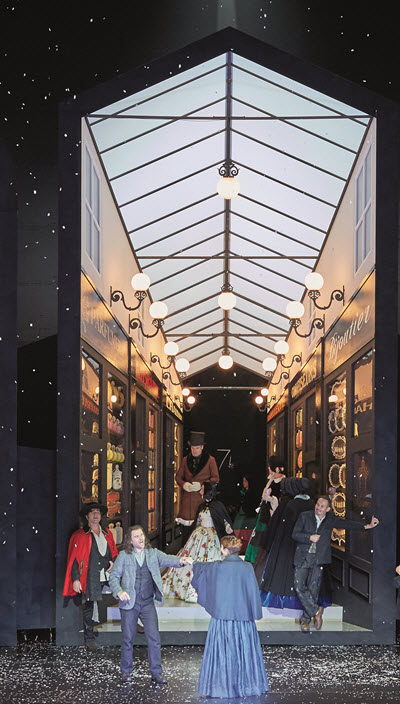
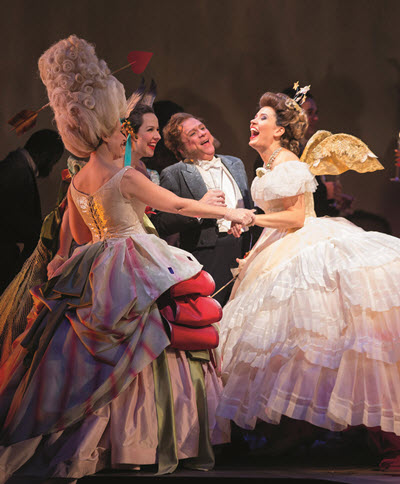
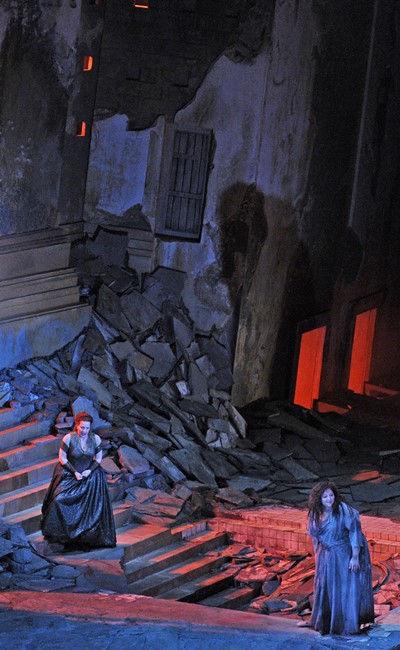



Report: The Lyric Opera of Chicago’s 2018-19 season, announced Feb. 6, has a golden ring to it. While pushing on to the third installment of its four-year journey through Wagner’s “Ring” cycle with “Siegfried,” and returning to the treasury of Handel with its first ever staging of “Ariodante,” the Lyric will lay out three super-size Italian nuggets as sure-fire box office draws: Puccini’s “La bohème” and two Verdi favorites, “La traviata” and “Il trovatore.”
Of mortal frailty and monstrous transgression: Broadway in Chicago spotlights ‘The Humans’

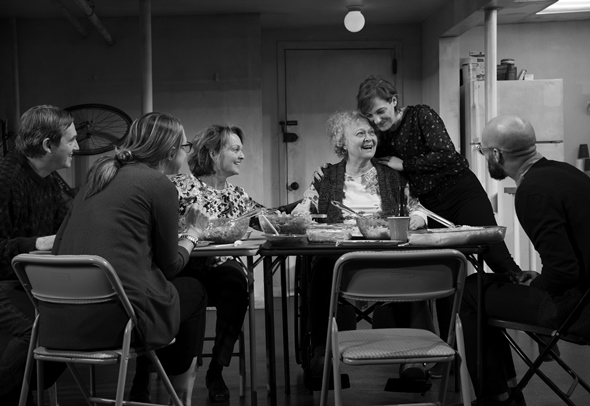
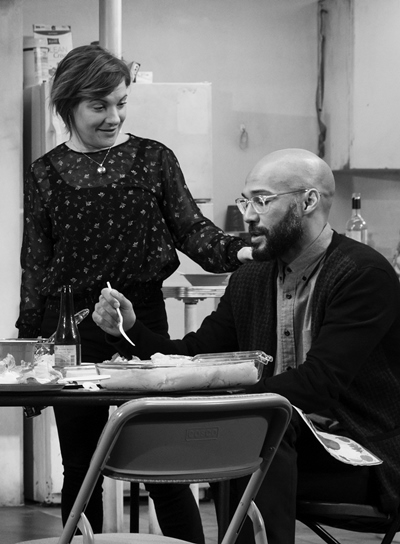

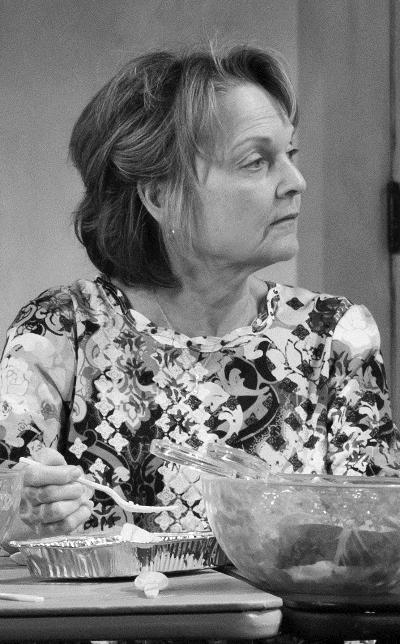
Review: In the midst of Stephen Karam’s abrasive family drama “The Humans,” presented on tour by Broadway in Chicago at the Cadillac Palace Theatre, the question of monsters comes up. Monsters in dreams. And someone speculates that if humans dream of monsters, perhaps what strikes terror in the imagination of horrid fantastical creatures is the image of a human. It’s a fleeting exchange, but it lies right at the core of this group portrait of people grappling with dreadful reality, hideous betrayal, terrifying truths about themselves. ★★★★
‘Blind Date’ at Goodman: The epochal meeting that changed the world – and all that glam
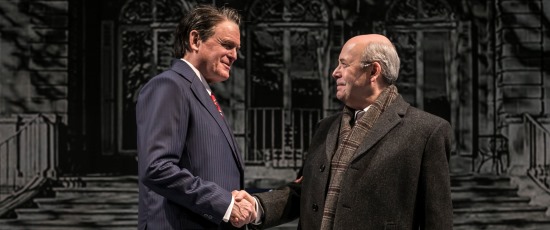

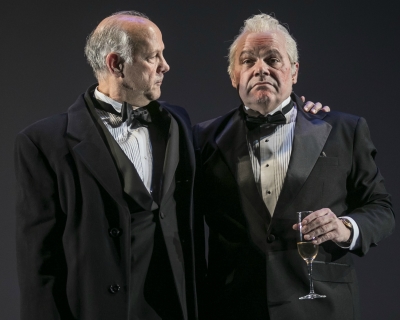
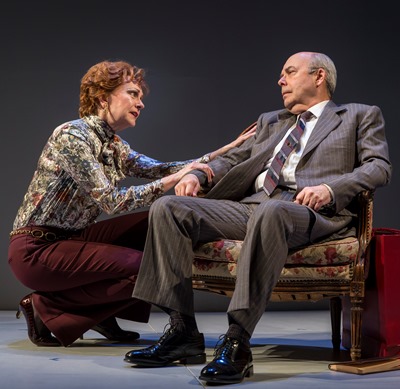
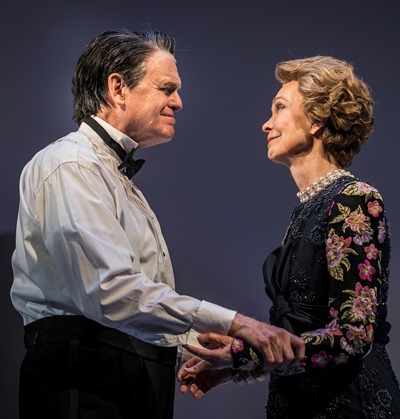
Review: Three other plays edged into mind as I watched Rogelio Martinez’s ambitious and entertaining political drama “Blind Date” unfold on the Goodman Theatre stage. Two were more distilled slants on similar big-picture crises. But it was the third that finally lined itself up beside this glossy romp: the unpretentiously cosmetic musical “War Paint.” Martinez’s play reimagines the historical meeting between President Ronald Reagan and Soviet General Secretary Mikhail Gorbachev. ★★★
CSO premieres Higdon’s Low Brass Concerto, spotlighting veteran foursome of the orchestra
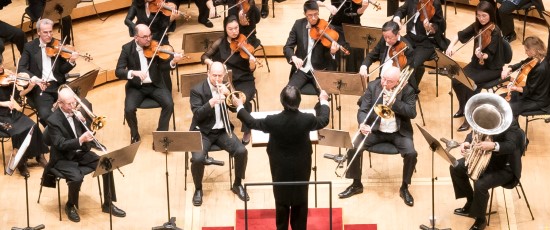
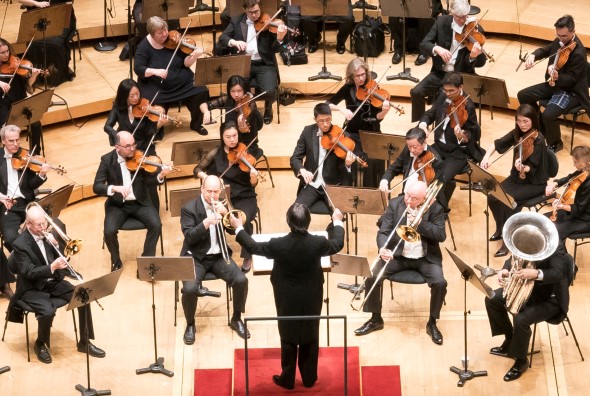
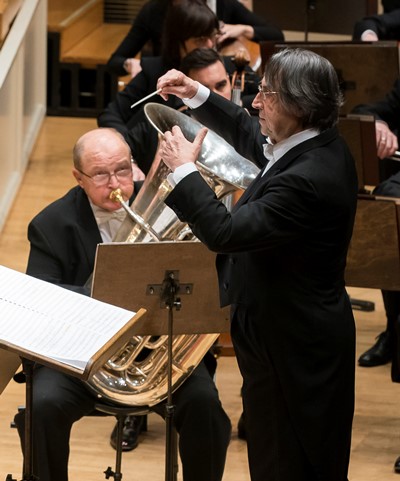
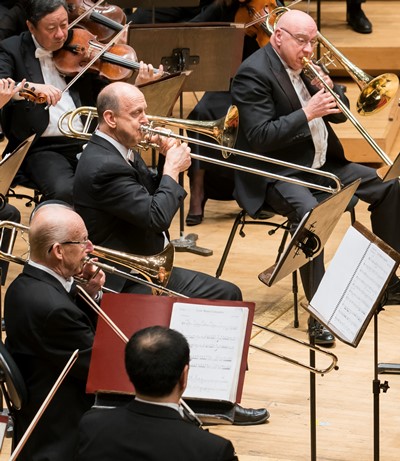
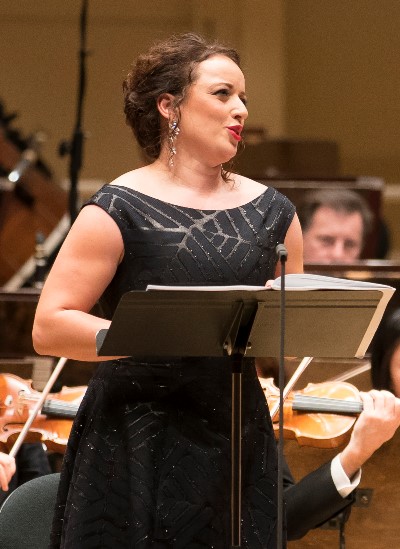
Review: On the one hand, Jennifer Higdon’s solidly crafted Low Brass Concerto, which received its world premiere Feb. 1 by the Chicago Symphony Orchestra under Riccardo Muti, enjoyed artful framing by three brilliant pieces from by a wide range of top-flight composers from the past. On the other hand, well, see above. The premiere featured four veteran members of the CSO brass section.
‘Boy’ at TimeLine: Caught in a physiological trap, lad is certain that he’s not, alack, a lass
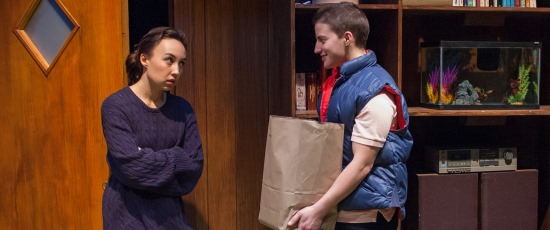
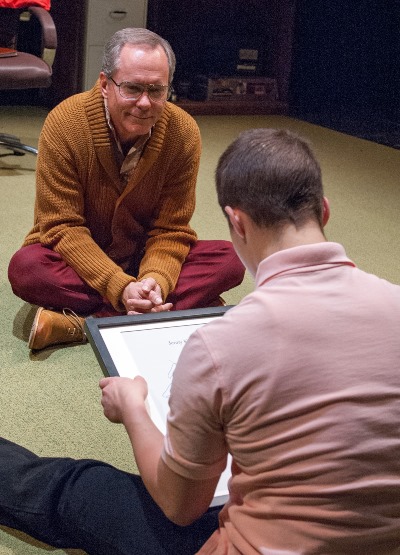
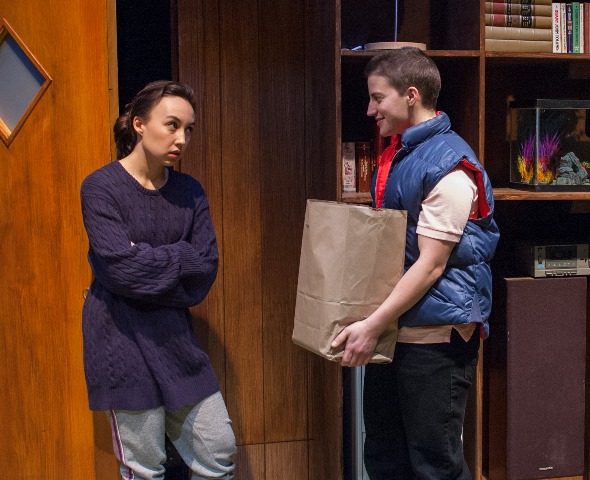
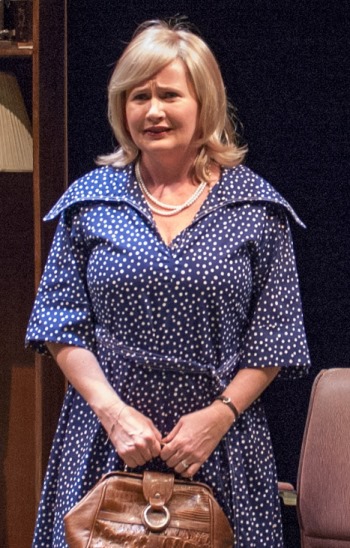

Review: Adam is a boy, age maybe 20. So you’re thinking, OK, if he’s 20, he’s more man than boy. Exactly. But for Adam, in Anna Ziegler’s play “Boy,” getting to manhood meant first establishing his boyhood – or boyness, if you like. And that is both the most engaging and the most problematic part of this drama now on the boards at TimeLine Theatre. ★★★
Muti extends CSO directorship for two years, and orchestra announces plans for 2018-19
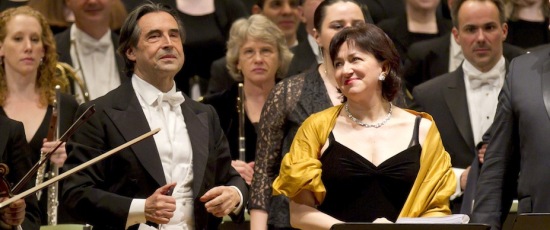
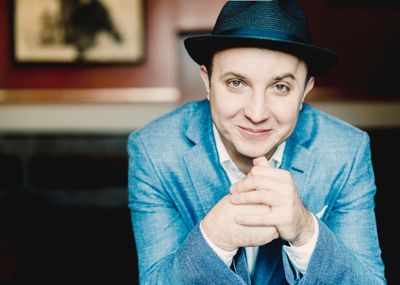
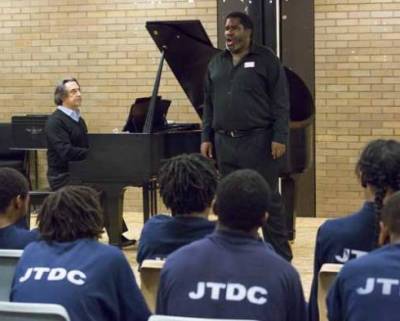
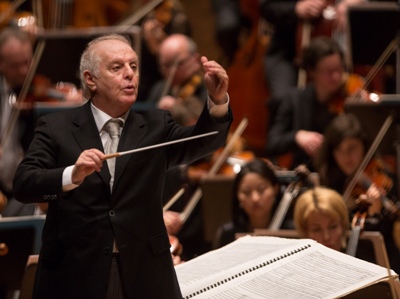
Report: Music director Riccardo Muti has extended his tenure as music director of the Chicago Symphony Orchestra through August 2022, two years beyond his current contract, the orchestra announced Jan. 30. Muti, 75, who began his directorship in 2010, will maintain his present level of commitment to the CSO — 10 weeks of subscription concerts and community engagement plus three to four weeks of touring. The announcement of Muti’s extension coincided with release of the Chicago Symphony’s 2018-19 season.
Minnesota Orchestra is fleet, crisp, complete in ear-opening visit to Chicago with Vänskä

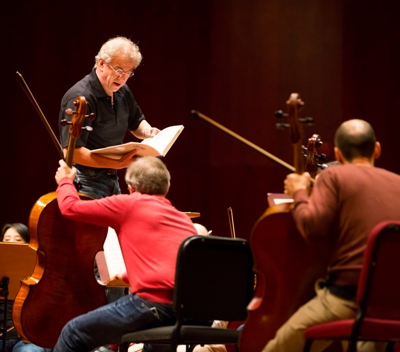
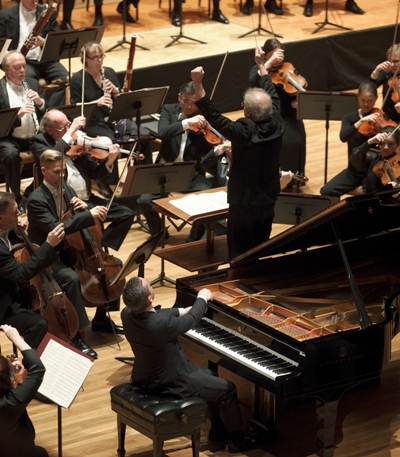
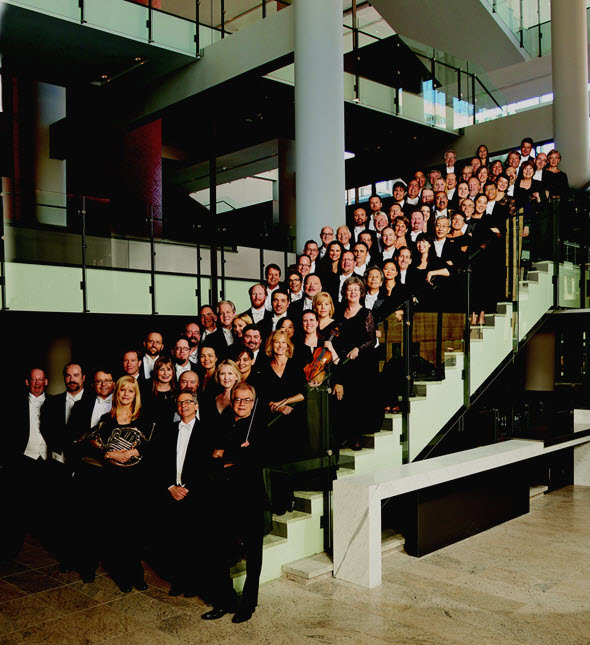
Review: The Finnish conductor Osmo Vänskä has been the go-to guy for the Chicago Symphony Orchestra on more than one urgent occasion in recent history, valiantly saving the day on not much more than pure adrenalin. But when he visited Chicago with his own Minnesota Orchestra, the maestro and his thoroughly prepared band projected a more serene mindset entirely.
‘Five Mile Lake’ at Shattered Globe: Siblings, distant or demanding, all in the swim together
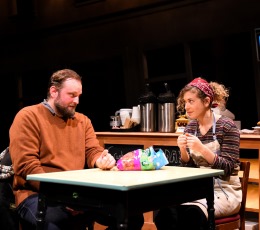
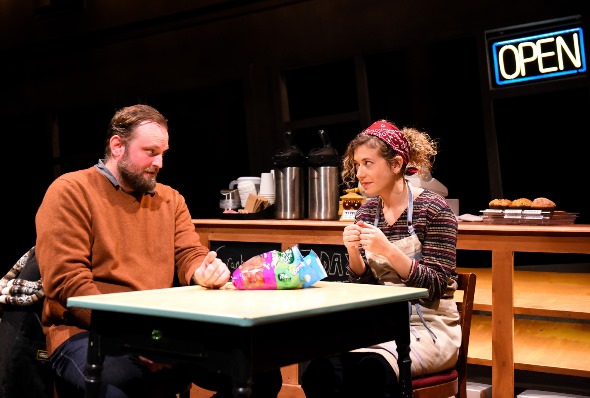
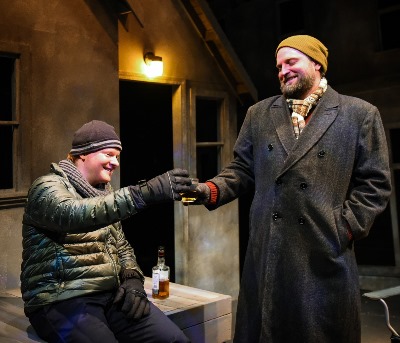
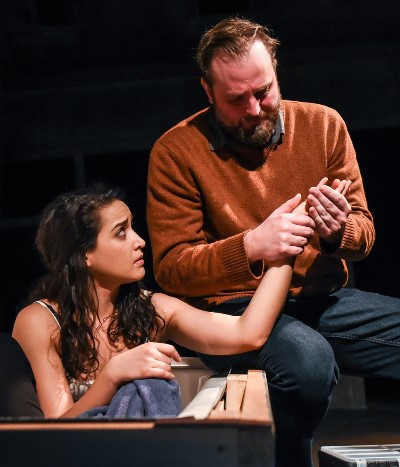
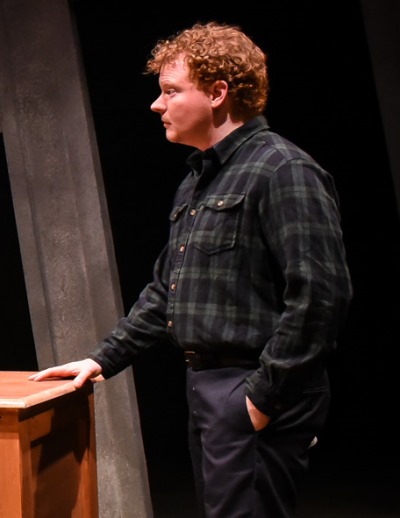
Review: Rachel Bond’s play “Five Mile Lake,” a provocative slice of life currently held up for examination by Shattered Globe Theatre, is about lives out of kilter, out of perspective, out of adjustment. Before the play even begins, Jeffrey D. Kmiec’s disorienting set tells you as much. ★★★
From ‘Great’ Schubert to revelatory Mahler, Honeck scores again with Chicago Symphony

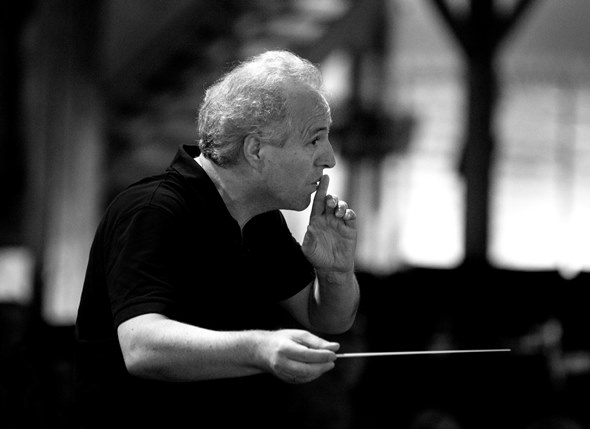
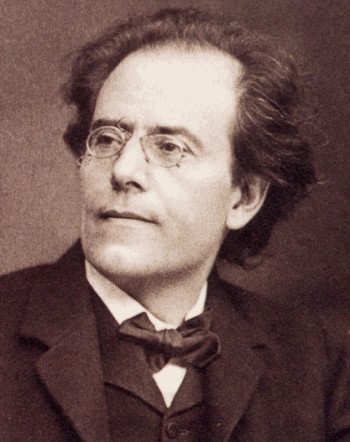
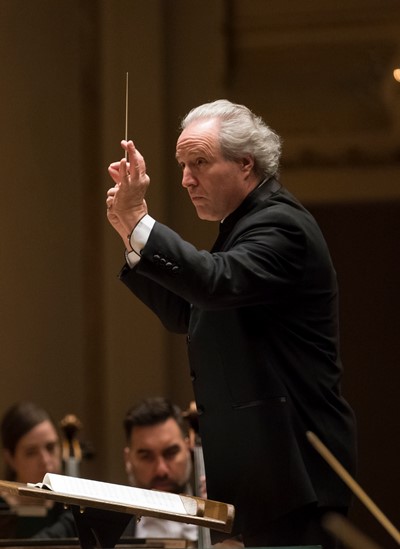
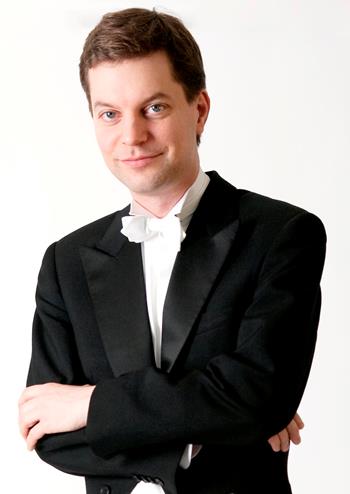
Review: For the second time this season, conductor Manfred Honeck has ascended the podium of the Chicago Symphony Orchestra to shed new light on a major work that is oh so familiar. Back in November, it was Schubert’s “Great C major” Symphony. This go-round, it’s Mahler’s Fifth Symphony that Honeck explores as if wired into the composer’s creative mind.
‘All My Sons’ at Court: The sins of a father, unatoned and brought down on two houses
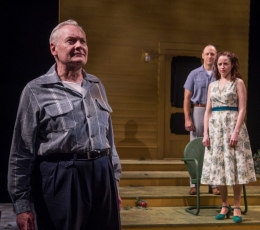

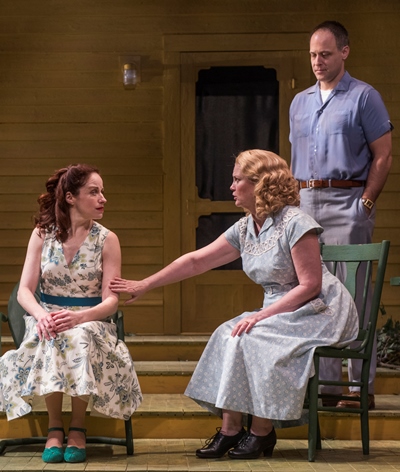
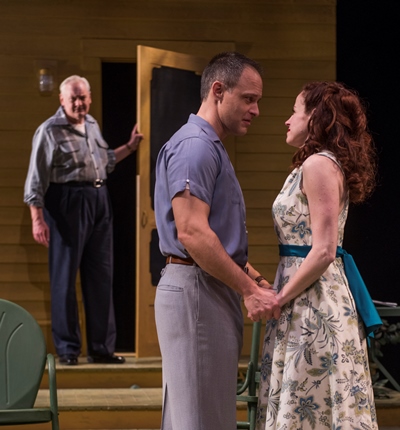
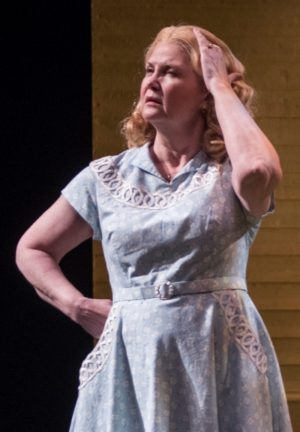
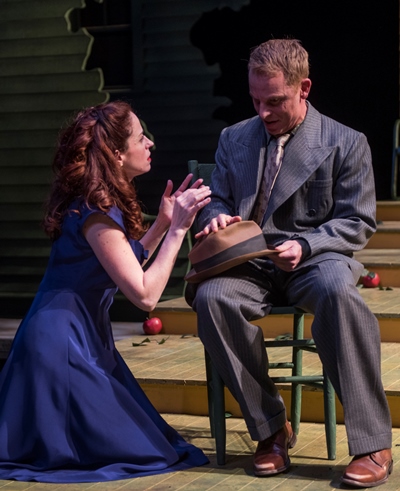
Review: It’s as Greek as Aeschylus, the inexorable tragedy that infects and ultimately destroys two families in Arthur Miller’s “All My Sons.” And in the marvelous, shattering production at Court Theatre directed by Charles Newell, a long Greek shadow falls across Miller’s characters, amid the torment and self-deception, in spectral silence. ★★★★★
Worth A Visit

Recent Posts
- Amid familiar brilliance of Muti CSO concerts, Brahms (on bizarre night) got lost in shadows
- Electric Berlioz experience confirmed Mäkelä as CSO’s ideal choice to bear new-era banner
- Enduring power of Verdi’s Requiem felt anew
in Muti’s fierce production with CSO, Chorus - Amid CSO’s run of Mahlermania, Mäkelä leads side trip to vibrant Dvořák Seventh Symphony
- Ax’s masterly recital of Beethoven, Schumann pointed up rare worth of Chicago piano series
Most Commented
- Role Playing: Janet Ulrich Brooks on nailing the style of a wily Russian in 'A Walk in the Woods'
- Role Playing: City boy Michael Stegall ropes wild cowboy in Raven Theatre’s ‘Bus Stop’
- Role Playing: Sadieh Rifai zips among seven characters in one-woman ‘Amish Project’
- Role Playing: Kirsten Fitzgerald inhabits sorrow, surfs the laughs in ‘Clybourne Park’
- Role Playing: Brent Barrett’s glad he joined ‘Follies’ as that womanizing, empty cad Ben